Elevating Efficiency: DevOps Optimization for Modern Enterprises
Table of Contents
- The Complete Overview of devops optimization
- Historical Background and Evolution
- Core Mechanisms: How It Works
- Key Benefits and Crucial Impact
- Major Advantages
- Comparative Analysis
- Future Trends and Innovations
- Conclusion
- Comprehensive FAQs
- Q: What distinguishes devops optimization from standard DevOps practices?
- Q: Which metrics are essential for measuring devops optimization?
- Q: How can small organizations start implementing devops optimization?
- Q: What role does machine learning play in devops optimization?
- Q: Are there risks associated with aggressive devops optimization?
Modern enterprises no longer view software development as a mere technical exercise; it’s a competitive differentiator. When teams can ship features faster, respond to incidents in milliseconds, and iterate on customer feedback in real time, the entire organization benefits. This relentless pace demands a disciplined, data‑driven approach to every phase of the delivery pipeline.
At the heart of this transformation lies devops optimization—a systematic pursuit of performance, reliability, and cost efficiency across development, operations, and quality assurance. Rather than a one‑off initiative, it is a continuous cycle of measurement, insight, and refinement that keeps the pipeline humming under pressure.
In the following sections we dissect the evolution of devops optimization, unpack its core mechanisms, weigh its tangible benefits, compare it against traditional practices, and glimpse the future of automated delivery.
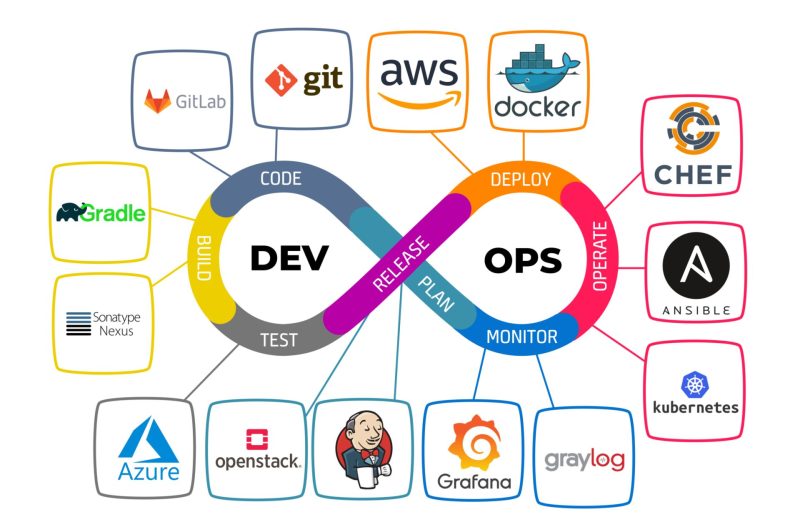
The Complete Overview of devops optimization
Devops optimization is the application of lean principles, agile methodologies, and cutting‑edge tooling to streamline the software delivery lifecycle. It encompasses everything from code commit to production monitoring, ensuring that each touchpoint is measured, automated, and continuously improved.
Unlike generic DevOps, which merely encourages collaboration between development and operations teams, devops optimization adds a quantitative layer. By deploying metrics dashboards, automated testing suites, and predictive analytics, organizations can identify bottlenecks, forecast risk, and allocate resources where they generate the highest value.
Historical Background and Evolution
The roots of devops optimization trace back to the late 1990s, when the rise of agile development exposed the friction between rapidly changing codebases and static operational environments. Early adopters experimented with scripting, configuration management, and basic continuous integration (CI), but optimization efforts were ad‑hoc and siloed.
Fast forward to the 2010s, and the paradigm shifted with the emergence of cloud-native platforms, container orchestration, and infrastructure-as-code. These technologies provided the scalability and observability necessary for systematic optimization, enabling teams to treat deployment pipelines as first‑class assets rather than afterthoughts.
Core Mechanisms: How It Works
At its core, devops optimization revolves around three intertwined pillars: automation, measurement, and feedback. Automation eliminates manual toil through CI/CD pipelines, infrastructure provisioning, and self‑healing services. Measurement injects data—deployment frequency, lead time, mean time to recovery, and change failure rate—into the decision‑making process. Feedback loops close the gap by turning data into actionable insights that inform future iterations.
Additionally, the integration of machine‑learning models into monitoring stacks empowers predictive incident detection. By correlating deployment metadata with system metrics, these models can flag anomalous patterns before they cascade into outages, thereby preemptively shortening downtime windows.
Key Benefits and Crucial Impact
Organizations that embed devops optimization into their culture experience a cascade of benefits: faster time‑to‑market, reduced operational costs, higher quality releases, and increased employee morale. Because optimization is a data‑driven discipline, it also mitigates the risk of “band‑wagon” ad‑hoc tools that fail to deliver sustainable value.
Moreover, optimization fosters a shared sense of ownership across teams. Developers see the direct impact of their code on runtime performance, while operations professionals gain visibility into code‑level risks. This alignment nurtures a collaborative environment where continuous improvement is everyone's responsibility.
“Optimizing the DevOps pipeline is less about tools and more about culture—measure, learn, repeat.” — Lead Engineer, ScaleTech
Major Advantages
- Accelerated Delivery: Automated builds, tests, and deployments cut release cycles from weeks to minutes.
- Enhanced Reliability: Continuous monitoring and automated rollback mechanisms reduce mean time to recovery.
- Cost Efficiency: Infrastructure-as-code and auto‑scaling eliminate over‑provisioning, translating to predictable cloud spend.
- Data‑Driven Decision Making: Metrics dashboards surface bottlenecks, enabling targeted process improvements.
- Talent Retention: Engineers enjoy higher job satisfaction when they can experiment safely and see immediate results.

Comparative Analysis
| Aspect | Traditional Development & Ops |
|---|---|
| Release Frequency | Weekly to monthly |
| Automation Level | Manual scripts, intermittent CI |
| Visibility | Ad‑hoc logs, siloed dashboards |
| Incident Response | Reactive, post‑mortem focus |
| Optimization Focus | Feature‑centric, not pipeline‑centric |
| Cost Control | Over‑provisioned resources |
| Team Collaboration | Development & Ops separated |
| Continuous Improvement | Rare retrospectives |
Future Trends and Innovations
The next frontier in devops optimization lies at the intersection of artificial intelligence and observability. Autonomous systems are already capable of proposing remediation actions based on historic incident data, effectively acting as a first‑line support agent. As natural language interfaces mature, engineers will be able to query pipeline performance, request optimizations, and receive automated recommendations—all without delving into code.
Simultaneously, the rise of edge computing and serverless architectures demands a new breed of optimization strategies. Distributed edge nodes introduce latency variability, requiring adaptive deployment pipelines that can roll out updates based on regional performance metrics. Serverless functions, while eliminating server management, shift the focus toward cold‑start optimization and function chaining efficiency.

Conclusion
Devops optimization is no longer an optional enhancement; it is a strategic imperative for enterprises that aspire to thrive in volatile markets. By institutionalizing automation, measurement, and continuous learning, organizations can transform their delivery pipelines into resilient, high‑performing engines.
Embracing this discipline requires commitment across all levels—from C‑suite executives championing data‑driven culture to developers writing test‑first code. The payoff is clear: faster innovation cycles, lower costs, and an empowered workforce ready to tackle tomorrow’s challenges.
Comprehensive FAQs
Q: What distinguishes devops optimization from standard DevOps practices?
A: While DevOps promotes collaboration between development and operations, devops optimization adds a systematic, metrics‑driven layer that continuously refines pipeline performance, reduces waste, and aligns delivery speed with business value.
Q: Which metrics are essential for measuring devops optimization?
A: Key indicators include deployment frequency, lead time for changes, mean time to recovery (MTTR), change failure rate, and cost per deployment. Tracking these metrics provides a balanced view of speed, reliability, and efficiency.
Q: How can small organizations start implementing devops optimization?
A: Begin by automating the most repetitive tasks—CI/CD pipelines, infrastructure provisioning, and basic testing. Deploy lightweight monitoring tools, establish a culture of retrospectives, and prioritize high‑impact improvements such as reducing build times or automating rollbacks.
Q: What role does machine learning play in devops optimization?
A: Machine‑learning models analyze historical deployment and performance data to predict and detect anomalies, recommend configuration changes, and even trigger automated remediation, thereby shortening MTTR and preventing incidents before they occur.
Q: Are there risks associated with aggressive devops optimization?
A: Over‑automation without proper safeguards can lead to “black‑box” deployments, making it harder to trace failures. It is vital to maintain visibility, enforce code reviews, and keep rollback mechanisms in place to mitigate such risks.
Leave a Comment
Comments are moderated before appearing. The data you submit is processed according to the Privacy Policy of Industriaanimacion.